


-

Add: HeBei ShengShi HongBang Cellulose Technology CO.,LTD.
-

Email
13180486930@163.com -

CONTACT US
+86 13180486930


Hydroxypropyl Methylcellulose (HPMC) E5 is a versatile and essential ingredient in various industries, prized for its unique properties that enhance product formulation. As a low viscosity grade of HPMC, E5 offers a distinct set of characteristics highly valued by manufacturers. This article delves into the crucial attributes of HPMC E5, leveraging insights from industry experts and real-world applications to offer a comprehensive understanding of its benefits and usage. One of the standout features of HPMC E5 is its film-forming ability. This property is integral in the pharmaceutical industry, where HPMC E5 is commonly used as a coating agent for tablets. Its ability to form a uniform, adherent, and stable film ensures the protection of active ingredients, enhances shelf life, and improves the aesthetic appeal of tablets. The expertise of formulation scientists highlights that the use of HPMC E5 in coatings improves the swallowability and taste masking of oral dosage forms, making it a preferred choice among pharmaceutical developers. In the realm of construction, HPMC E5 serves as an essential additive in cement-based materials. Its water retention capability prevents premature drying and assures optimal curing, leading to increased strength and durability of the final product. Construction professionals underline that the inclusion of HPMC E5 in mortar formulations results in enhanced workability and open time. This facilitates easier application and adjustment of tiles or other construction components, minimizing waste and improving finish quality. The adhesive industry also benefits from the unique properties of HPMC E5 . The compound's thickening and rheology modification abilities enable the production of adhesives with superior stability and consistency. As experts in adhesive chemistry attest, HPMC E5 improves the bonding capacity and mechanical strength of adhesives, providing reliable performance across different substrates and environmental conditions. This versatility makes it an indispensable ingredient in formulating both household and industrial adhesives. hpmc e5 properties Personal care products, such as shampoos and creams, often incorporate HPMC E5 due to its excellent emulsification and stabilization properties. Cosmetologists and personal care formulators value HPMC E5 for its ability to maintain the integrity and homogeneity of creams and lotions. Its non-ionic nature ensures compatibility with various active ingredients, allowing for innovative formulations that cater to diverse consumer needs. Furthermore, HPMC E5’s gentle nature and lack of irritancy make it suitable for sensitive skin products, thus broadening its applicability in the cosmetics industry. From an expert perspective, the adaptability of HPMC E5 across different formulations and industries underscores its significance. Its non-ionic and cellulose-based nature ensures environmental compatibility and safe usage, aligning with the growing consumer demand for sustainable and eco-friendly products. Manufacturers leveraging HPMC E5 can assure their clientele of high-quality, reliable, and effective products, bolstering trust and authority in their respective markets. Trustworthiness in utilizing HPMC E5 is reinforced by thorough testing and compliance with regulatory standards, which are critical for product safety and efficacy. Collaboration with experienced formulation scientists and adherence to stringent quality control measures guarantees that products incorporating HPMC E5 deliver consistent and dependable performance. In conclusion, HPMC E5 stands out due to its unique properties that serve a wide array of applications, ranging from pharmaceuticals and construction to adhesives and personal care products. Its esteemed position is further corroborated by industry expertise and practical experience, which collectively affirm its role as a high-value ingredient. By integrating HPMC E5, manufacturers not only optimize product performance but also ensure an authoritative and trusted presence in their sectors.
- 40000tons

Production
- 20+years

Experience
- 5000+㎡

Acreage

-
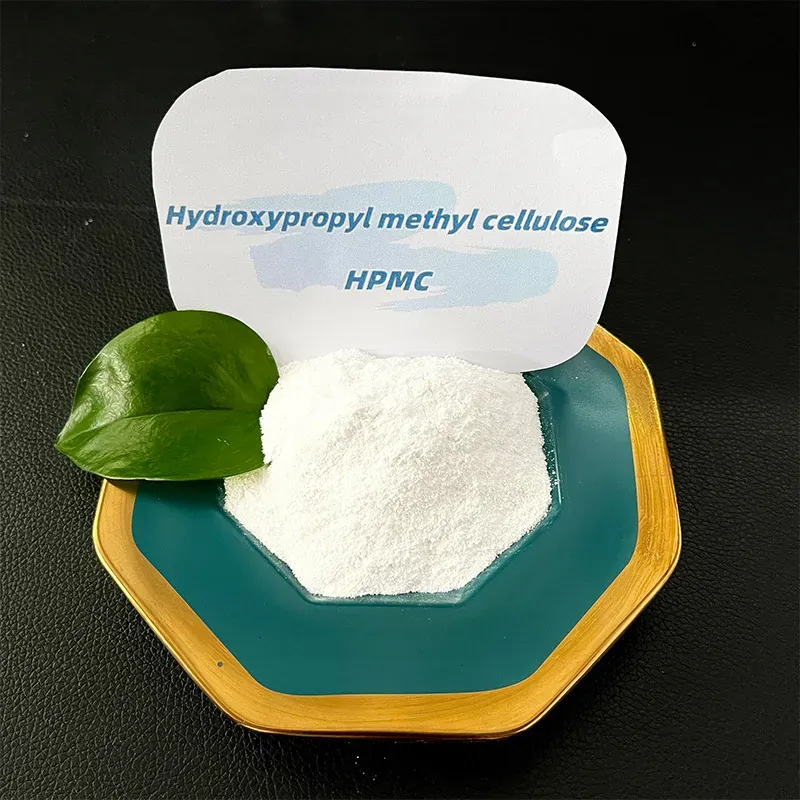
Hydroxypropyl Methylcellulose (HPMC) stands as an innovative polymer solution , lauded for its multifaceted applications across various industries. This versatile compound, classified under nonionic cellulose ethers, has emerged as a pivotal player in enhancing the functionality and performance of a plethora of products, from construction materials to pharmaceuticals, and even food and personal care items. Real-world applications of HPMC are a testament to its exceptional qualities. In the construction industry, it is integral in improving the properties of materials such as cement and gypsum. Contractors and engineers often highlight their personal experiences using HPMC as a reliable additive. Its functions in enhancing water retention, workability, and open time are well-documented, contributing to more efficient building processes and superior quality finishes. HPMC's ability to improve the texture and adhesion of construction components exemplifies its indispensable role in modern construction practices. From a professional standpoint, the pharmaceutical industry champions HPMC as a critical component in formulating controlled-release medications. Its non-toxic and biocompatible nature ensures safety and efficacy, forming an essential part of many oral and topical pharmaceuticals. Pharmacists and drug manufacturers praise HPMC for its ability to control the release profile of active ingredients, improving therapeutic outcomes and patient adherence. Additionally, its role in creating clear, stable suspensions in liquid medications underpins its professional endorsement. The authority of HPMC extends into the food industry, where it acts as a thickener, stabilizer, and emulsifier. Food scientists regularly emphasize its importance in maintaining the texture and consistency of processed foods. HPMC's heat-resistant properties make it ideal for improving food viscosity without altering taste or nutritional content, earning the trust of chefs and culinary professionals alike. Its use in gluten-free baking to enhance dough elasticity and maintain moisture serves as a perfect example of its authoritative position in food science. hydroxypropyl methylcellulose Trust in HPMC is further anchored by its regulatory approvals from agencies like the FDA and the EFSA. These endorsements underscore its safety and applicability in consumer products, fostering confidence among manufacturers and consumers. The transparency in its sourcing and manufacturing processes ensures that HPMC meets stringent quality standards, thus reinforcing its reliability and integrity. Beyond its technical benefits, HPMC is revered for its environmental friendliness. Professionals across various sectors increasingly acknowledge its sustainable production, which aligns with global movements towards greener manufacturing practices. Its biodegradability and derivation from natural cellulose enhance its appeal as an eco-conscious alternative to synthetic additives, further cementing HPMC as a preferred choice among environmentally aware businesses. The future potential of HPMC continues to expand as research and innovation unveil new possibilities and applications. Industries constantly seek improved formulations, and HPMC's adaptability to new demands speaks to its enduring relevance. As experts delve deeper into unlocking its untapped capabilities, it's clear that HPMC will remain a staple across multiple domains, continually shaping and enhancing industry standards. In conclusion, Hydroxypropyl Methylcellulose is more than just a versatile polymer; it's a cornerstone of contemporary product development and innovation. Its application breadth, coupled with authoritative endorsements and a robust track record of trust, makes HPMC a vital component in advancing industry practices and consumer products. As industries evolve, professionals and consumers alike can rely on HPMC to deliver quality, performance, and sustainability.
-
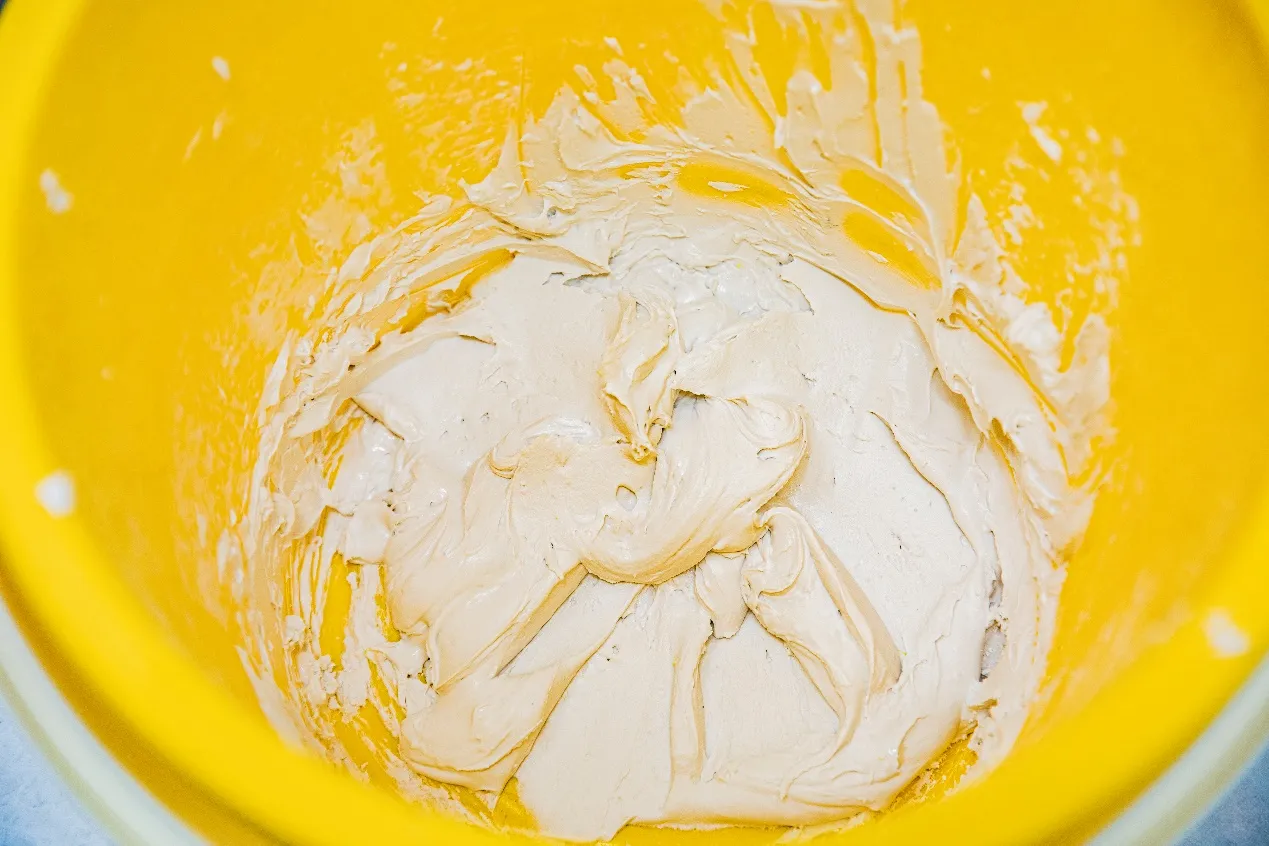
When exploring the vast world of pharmaceutical and construction materials, one cannot ignore the compelling attributes of Hydroxypropyl Methylcellulose (HPMC) and its viscoelastic properties. HPMC is gaining significant attention due to its multifunctional applications and unparalleled performance, making it a material of interest for industries committed to innovation. In pharmaceuticals, HPMC serves as a versatile excipient, acting as a binder, film former, and thickening agent. Its viscoelastic properties enhance the drug formulation's performance by providing controlled release and stability. The polymer matrix created by HPMC in tablet formulations plays a critical role in modulating drug release rates, ensuring that the active ingredient is delivered at the desired rate and dosage. The viscoelastic nature of HPMC allows for remarkable flexibility and resilience in medical formulations. It adapts to different compressional forces during tablet manufacturing, ensuring tablets remain intact during transport and handling while disintegrating appropriately when ingested. This adaptability underscores its reliability, making HPMC a trusted choice for pharmaceutical companies aiming to enhance drug efficacy and patient compliance. Beyond pharmaceuticals, HPMC's journey into the construction arena is equally notable. In dry mix mortar formulations, HPMC functions not only as a thickening agent but also as a water retention component. This dual characteristic is vital for cement-based applications where workability and setting times are crucial for project success. The viscoelastic nature of HPMC improves mortar adhesion and reduces shrinkage, thereby fortifying the structural integrity of constructions. HPMC's ability to retain water is particularly beneficial in enhancing the workability of mortars, preventing premature drying, and ensuring longer open times. For builders and contractors, this translates into ease of application and durability, even under varying climate conditions. Consequently, HPMC is increasingly regarded as an essential ingredient in high-performance construction materials, reflecting its authoritative position within the industry. hpmc viscoelastic The safety and non-toxic attributes of HPMC also contribute to its growing trustworthiness. Recognized by regulatory bodies across the globe, HPMC meets stringent safety standards, whether applied in health-sensitive environments like pharmaceuticals or in eco-conscious construction practices. This universal compliance reinforces HPMC's status as a dependable material, propelling its integration across multiple sectors. Expert insight into HPMC's potential applications indicates that ongoing research and development are further expanding its utility. Innovations in biocompatible and environmentally friendly materials suggest that HPMC’s role will continue to evolve, addressing new challenges in drug delivery systems and sustainable building practices. Such advancements satisfy modern demands for both efficacy and environmental stewardship. Experience_SHARED by industry professionals highlights that selecting high-quality HPMC can significantly impact the final product's performance. Therefore, sourcing from reputable manufacturers ensures consistency in quality and functionality, maximizing the viscoelastic benefits HPMC offers. In conclusion, HPMC's viscoelasticity is not merely a trait but a cornerstone of its application across diverse fields. Its role in enhancing product performance and compliance underscores its significance . As industries advance towards more sophisticated and sustainable solutions, HPMC stands as a testament to material innovation, promising new heights in both pharmaceutical and construction domains. Through its adaptable and reliable characteristics, HPMC will likely remain at the forefront of material selection for years to come.
advantages
-

200000 Viscosities
Excellent product
We can produce pure products up to 200,000 viscosities
-

40000 tons
High yield
We don’t stop production all year round, and the annual output can reach 40,000 tons
-

24 hours
Quality service
We provide 24-hours online reception service, welcome to consult at any time
———— Inquiry Form
Schedule A services
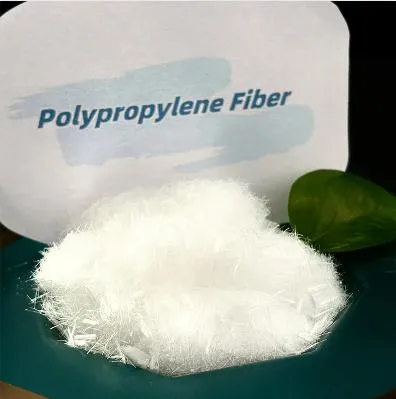
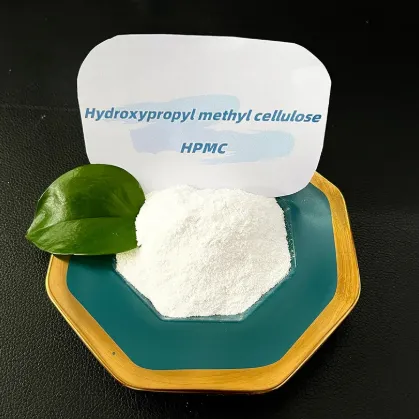
-
 concrete_with_fiberglass
Oct . 25, 2025
In the world of modern construction, synthetic fibers have revolutionized the way materials are used -
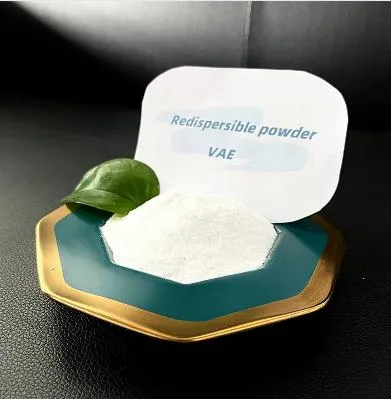 chimie_du_bois_et_cellulosique
Oct . 25, 2025
The Cost of Polypropylene Fiber An Overview Polypropylene fiber, derived from the polymerization of -
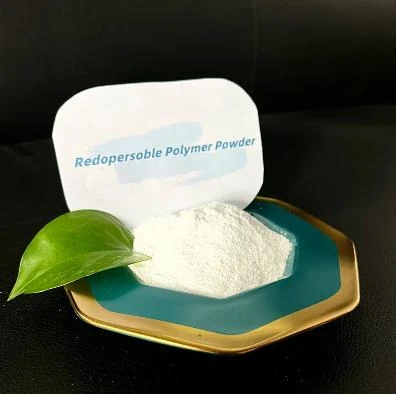 hydroxypropyl_methylcellulose_gel
Oct . 25, 2025
In the ever-evolving world of construction materials, HPMC cellulose has emerged as an essential add


